
After a storm moves through, it’s natural to walk outside, glance up at your roof, and hope everything looks fine. But storm damage isn’t always obvious from the ground. Wind, hail, and heavy rain can all cause issues that don’t show up right away but can create bigger problems over time if they’re missed.
A proper storm damage roof inspection is about knowing what to look for and understanding when it makes sense to call in a professional. This guide walks through common signs of storm-related roof damage, why early detection matters, and how to protect your home after severe weather.
Storm Damage Isn’t Always Obvious
Many homeowners assume roof damage only happens during extreme weather like tornadoes or major hail events. In reality, moderate storms can still compromise roofing systems in subtle ways.
Strong wind can lift shingles just enough to break their seal. Hail can knock protective granules loose without cracking the shingle itself. Heavy rain can expose weaknesses around flashing or roof penetrations. None of these issues may be visible at first glance, but they can allow moisture to work its way into the roof system over time.
That’s why understanding early warning signs is an important first step after any significant storm.
Start From the Ground With What You Can See Safely
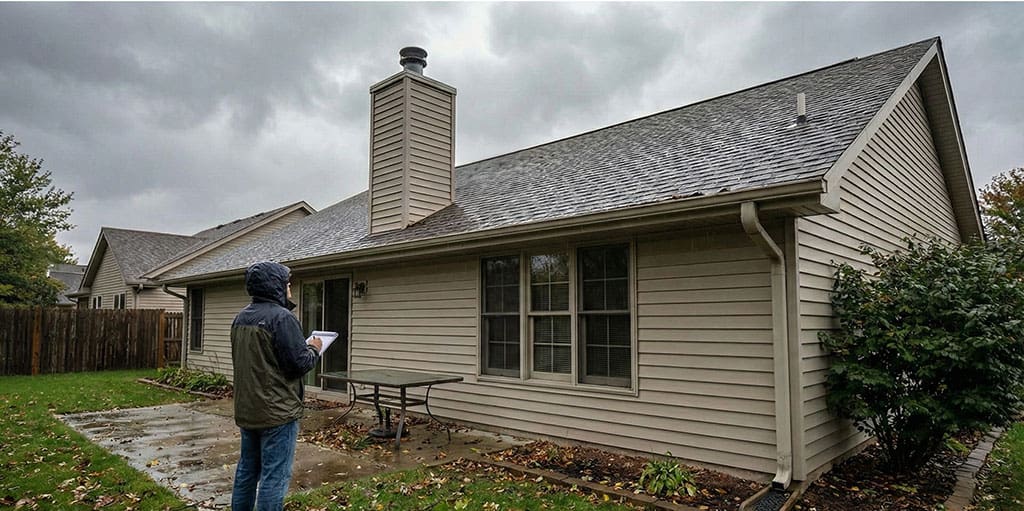
You don’t need to climb a ladder to spot potential problems. In fact, staying on the ground is the safest way to begin a storm damage roof inspection.
As you walk around your home, keep an eye out for:
- Shingles in the yard or near downspouts
- Granules are collecting in gutters or at the base of downspouts
- Bent, loose, or missing flashing near roof edges or chimneys
- Gutters that are sagging or pulling away from the fascia
- Water spots or discoloration on ceilings or in the attic
Individually, these signs might seem minor. Together, they often point to storm-related wear that deserves a closer look. Catching these clues early can help prevent larger repairs down the road.
Wind Damage Versus Hail Damage
One of the biggest risks after a storm is assuming that minor damage can wait. Roofing issues rarely stay small on their own.
A lifted shingle or small puncture can allow water into the roof system during future storms. Over time, that moisture can lead to:
- Mold or mildew in attic insulation
- Wood rot in the roof decking or framing
- Ceiling stains and drywall damage inside the home
- Reduced effectiveness of your roofing warranty
Addressing issues early through a timely storm damage roof inspection helps protect both your home and your long-term investment.
Interior Signs You Shouldn’t Ignore
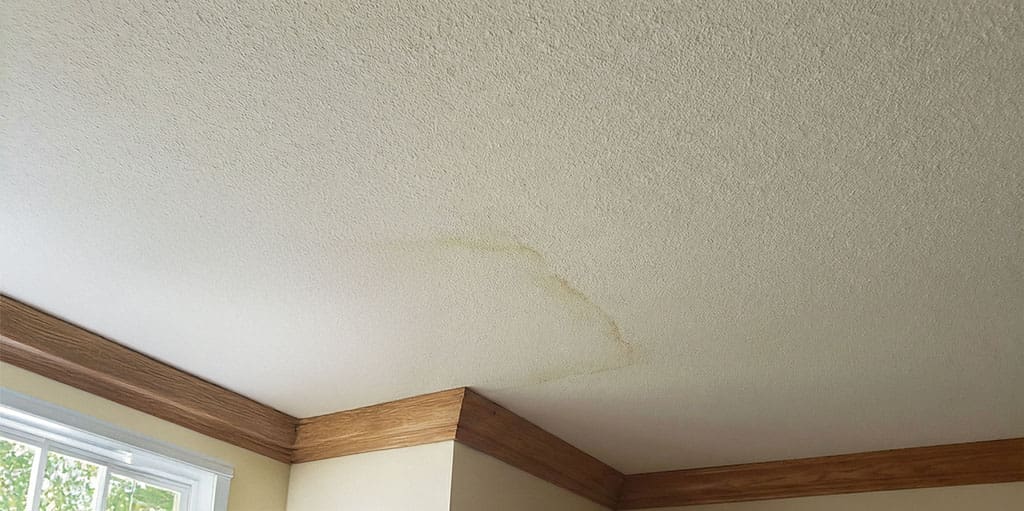
Sometimes the first signs of roof damage appear inside the house rather than outside. After a storm, it’s a good idea to check your attic and ceilings for changes.
Look for dark spots, damp insulation, or musty odors in the attic. Inside living spaces, watch for discoloration, bubbling paint, or peeling drywall on ceilings and upper walls. These signs often indicate moisture intrusion that may be tied to recent weather.
Interior symptoms don’t always mean immediate failure, but they do signal that water is finding a path where it shouldn’t.
What Insurance Often Covers After a Storm
Most homeowner insurance policies do provide coverage for storm-related roof damage caused by wind or hail. However, coverage details can vary, and timing matters.
A few things to keep in mind:
- Damage usually needs to be reported within a reasonable time after the storm
- Insurance may not cover issues linked to long-term wear or delayed maintenance
- Clear documentation helps support your claim and reduce disputes
Scheduling a professional storm damage roof inspection provides written findings and photos that can be useful if you need to work with your insurance provider.
How We Handle Storm Damage Roof Inspections
When we inspect a roof after a storm, our focus is on clarity and accuracy, not pressure. A proper inspection should give you real information so you can make informed decisions.
Our process typically includes:
- A detailed inspection of shingles, flashing, ventilation, and gutters
- Photo documentation of any damage we find
- A clear explanation of your options, whether that’s repair, replacement, or monitoring
- Guidance on next steps if insurance involvement is appropriate
We’ve helped homeowners throughout the Cincinnati area navigate post-storm decisions with confidence, especially in a climate where sudden storms and wind events are common.
Knowing When to Take the Next Step
Storm damage doesn’t always announce itself right away. Sometimes it takes weeks or months for small issues to show up as leaks or interior damage. Understanding what to watch for and acting early can save time, stress, and unexpected repairs.
If you’re unsure about what you’re seeing or just want peace of mind after a storm, a professional storm damage roof inspection can help confirm your roof’s condition. Our team is here to answer questions, document what we find, and help you decide what makes sense for your home.